The #1 Thing You Can Do To Improve Your DIY Fly Spray
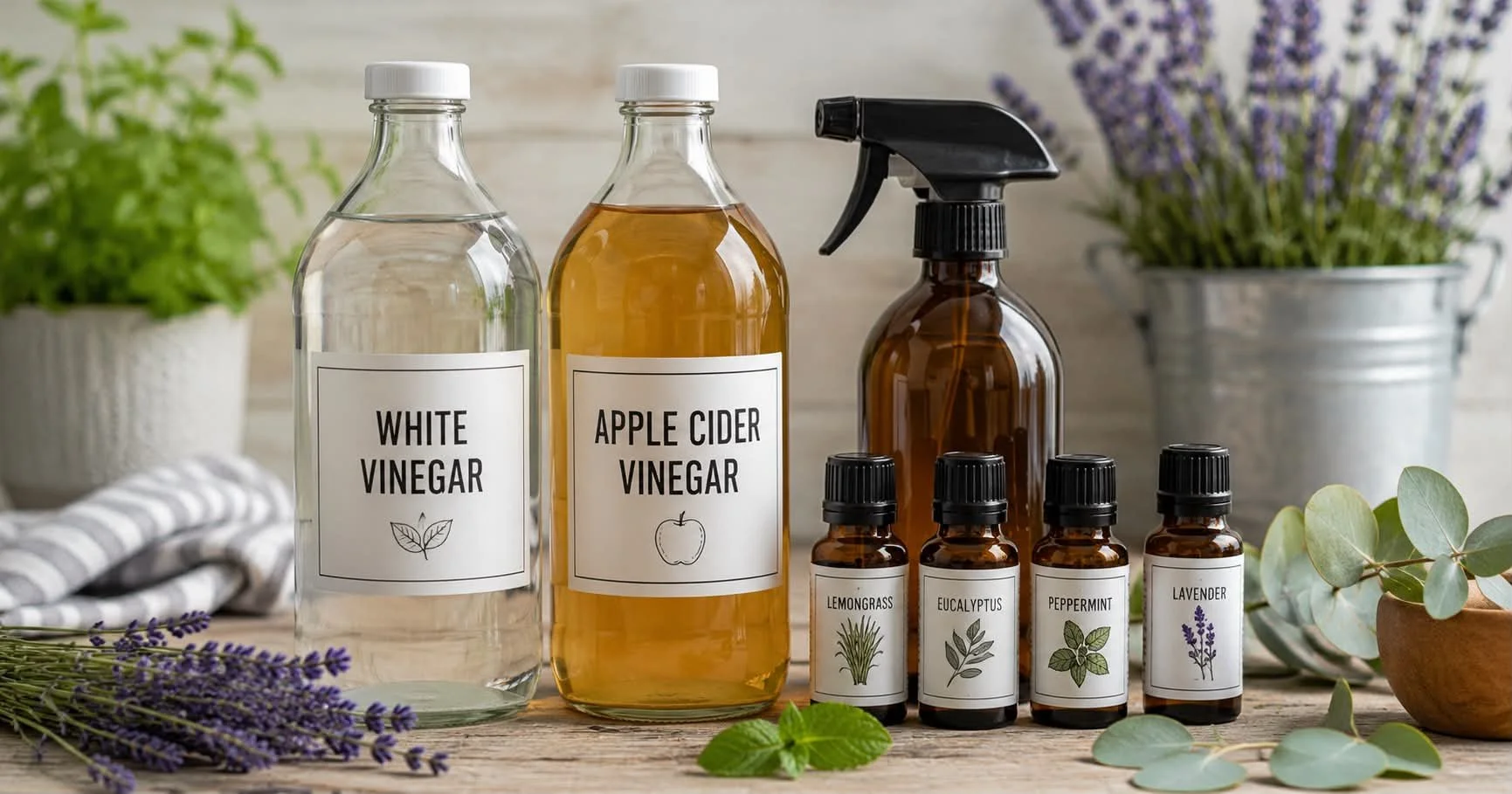
If you make your own fly spray for horses, there’s one simple change that can make a surprisingly big difference: switch from apple cider vinegar to white vinegar.
Many homemade fly spray recipes call for apple cider vinegar because it has long been associated with horse care. While apple cider vinegar certainly has its uses, it may not be the best choice when your goal is repelling flies.
Why White Vinegar Works Better
Flies are attracted to fermenting and sweet-smelling organic materials. Apple cider vinegar, despite its strong odor, is made from fermented apples and retains a subtle sweetness. In fact, apple cider vinegar is commonly used in homemade fruit fly traps because it attracts certain species of flies.
White vinegar, on the other hand, has a much sharper, cleaner smell that is less likely to attract insects. Made from distilled grain alcohol, it lacks the fruity aroma that can make apple cider vinegar appealing to some pests.
When used in a fly spray, white vinegar helps create an environment that many flies find unpleasant without introducing scents that could unintentionally draw them closer.
Better for Light-Colored Horses
Another advantage of white vinegar is that it is clear. Apple cider vinegar has a brownish tint that can sometimes leave residue or staining on light-colored coats, manes, tails, and white markings. White vinegar evaporates cleanly and is less likely to affect your horse’s appearance.
A More Neutral Base
Many horse owners customize their DIY fly sprays with essential oils such as citronella, eucalyptus, peppermint, or lemongrass. White vinegar serves as a more neutral base, allowing these scents to shine through without competing with the stronger, fruity smell of apple cider vinegar.
Cost-Effective and Easy to Find
White vinegar is often less expensive than apple cider vinegar and is readily available in large quantities. If you’re spraying horses daily during peak fly season, those savings can add up quickly.
The Bottom Line
While apple cider vinegar remains popular in many homemade horse care recipes, white vinegar is often the better choice for fly sprays. Its sharp odor, clear appearance, neutral scent profile, and lower likelihood of attracting insects make it an easy upgrade for anyone looking to improve their DIY fly control routine.
5 More Tips for Creating the Most Effective Homemade Fly Spray
1. Add Essential Oils Carefully
Neem oil is an excellent addition to fly spray. Just be cautious on light colored horses, as the oil is brown and may stain. Citronella, eucalyptus, peppermint, lemongrass, and lavender are commonly used in homemade fly sprays. Rosemary, tea tree and geranium can also be effective. Always dilute essential oils properly, perform a patch test before widespread use, and be aware of prohibited substances if you compete your horse.
2. Shake Before Every Use
Oil and water naturally separate. Shake the bottle thoroughly each time to ensure even distribution of ingredients.
3. Use Distilled Water
Distilled water helps prevent contamination and can extend the shelf life of your homemade spray.
4. Apply to a Clean Coat
Fly spray works best when applied to a clean horse. Dirt and sweat can reduce effectiveness and shorten protection time.
5. Reapply Frequently
Homemade fly sprays generally do not contain the long-lasting ingredients found in commercial products. During heavy fly pressure or hot weather, plan to reapply every few hours for best results.
One additional important note:
While white vinegar is generally less attractive to flies than apple cider vinegar, scientific evidence on vinegar-based fly repellency in horses is limited. Results can vary depending on the fly species, climate, and the other ingredients used in the spray.
Want more tips, tricks, insights and observations from a former international groom and manager?
Check out Eden’s Grooming Manual!